


An Index of Symbols

18 February 2026 · doctrine · ritual · symbolism · observation

The Language of the House
Every House that endures develops its own language.
Some languages are spoken aloud.
Others are carried through architecture, ritual and sign.
Within the House of Shaneela, meaning often travels through symbol.
These signs appear throughout its chambers and manuscripts. They do not impose a single interpretation. They act as markers within a vocabulary that continues to unfold.
To encounter them is not necessarily to decode them.
It is to recognise their return.
A symbol may cross the boundary between image and language, but its meaning still depends upon context, memory and interpretation.
✧
The Enduring Symbols
Across different cultures and periods, signs have carried identity, authority, devotion and remembrance.
Ancient Egyptian hieroglyphs joined writing and image within a formal system. Ancient Near Eastern seals could identify their owners while also carrying religious or protective imagery. In Islamic art, calligraphy remained a means of transmitting text while also becoming an important visual element.
These traditions are distinct.
The House does not claim them as one continuous historical system.
They provide context for understanding how visible forms may carry meanings beyond decoration.
Within the House, certain forms return again and again.
Their meanings are not fixed in a single definition.
They remain alive through use.
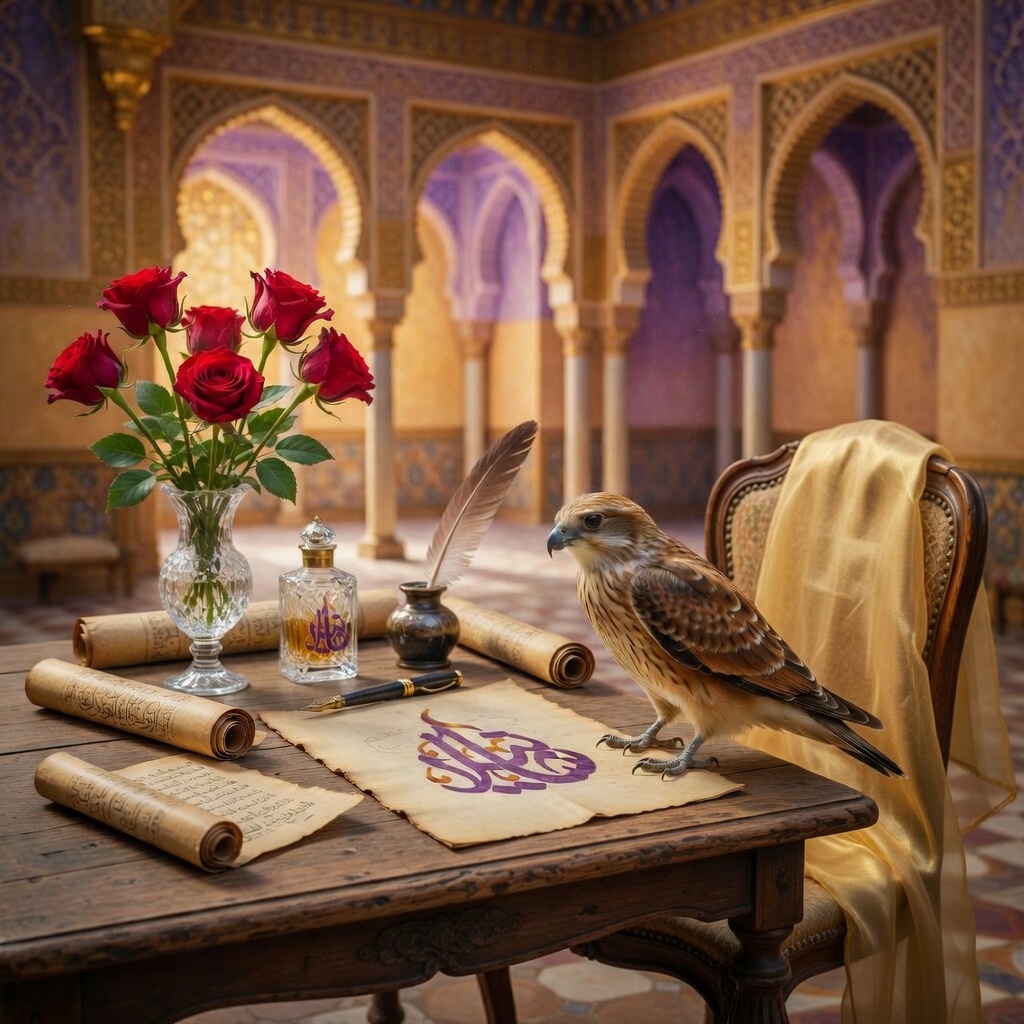
The Sigil
A mark of continuity.
It does not announce ownership alone.
Within the House, it signifies that an artefact or record participates in its living memory.
Historical seals often carried information about identity, profession, family or affiliation. Some also bore religious and protective imagery.
The House sigil is not presented as an ancient seal.
It belongs to the House’s own symbolic language.
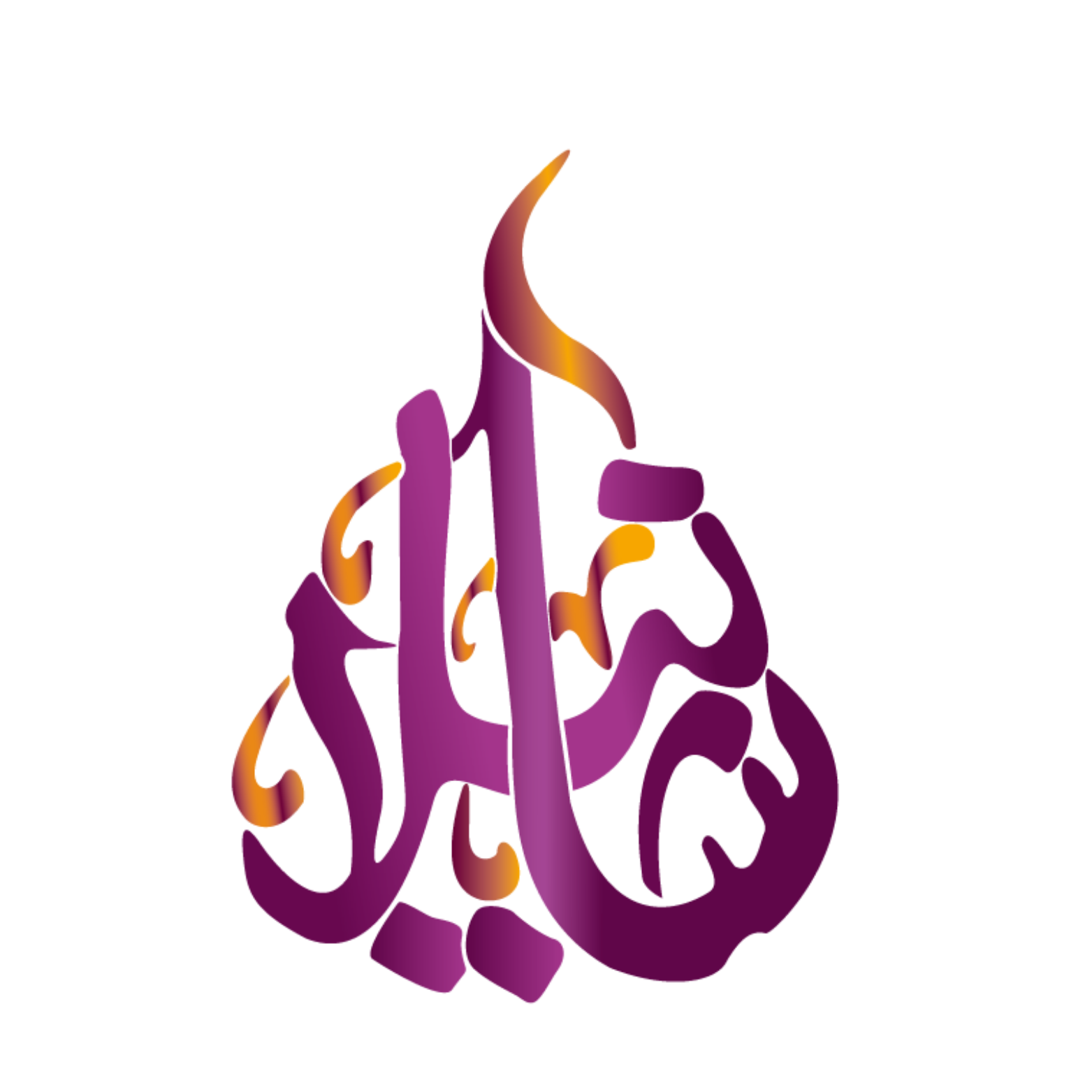
The House presents its calligraphic sigil not as proof of ownership, but as a mark of continuity.
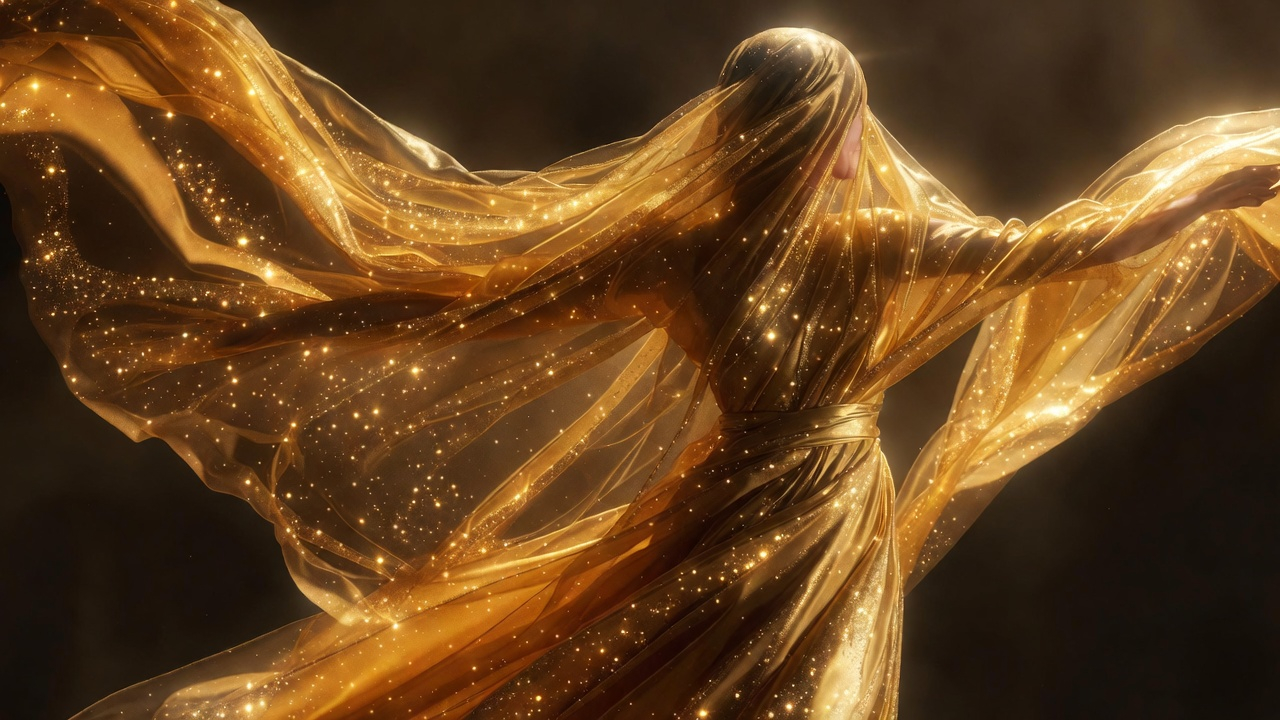
The Veil
A gesture of restraint.
The veil reminds the House that revelation has its proper time.
What is shown too quickly may become spectacle.
What is approached with care may retain wonder.
Within the House mythology, the veil does not divide the worthy from the unworthy.
It marks the boundary between what has been revealed and what still waits.
Thus the veil becomes an instrument of timing.
The Scroll
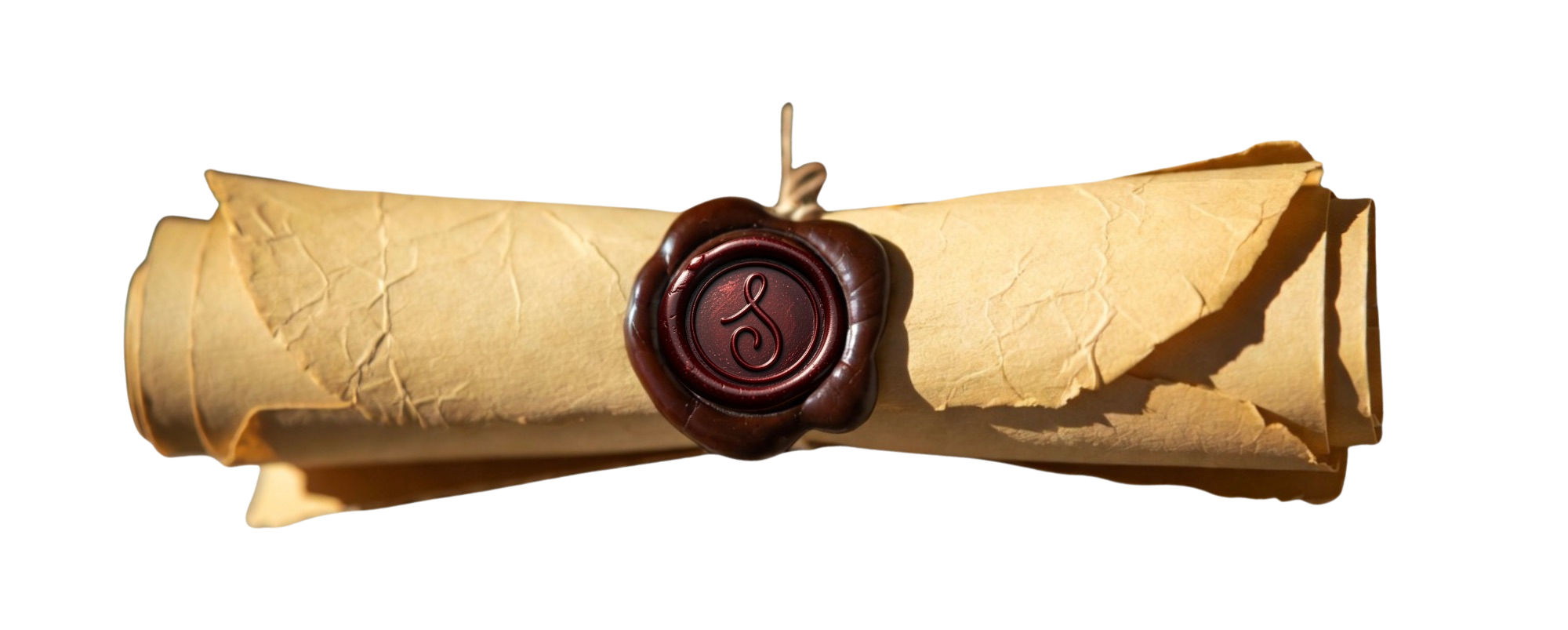
An instrument of preservation.
Words carried upon a scroll suggest that knowledge can pass beyond the moment in which it was written.
Within the House, the scroll signifies continuation.
No record stands alone.
Each belongs to a longer telling.
The Thread
A symbol of connection.
The thread binds past to future, myth to creation and the House to those who encounter it.
It does not promise that nothing will ever be lost.
It signifies the effort to carry meaning forward despite change.
Within the House, the thread is not a symbol of control.
It is a symbol of continuity.
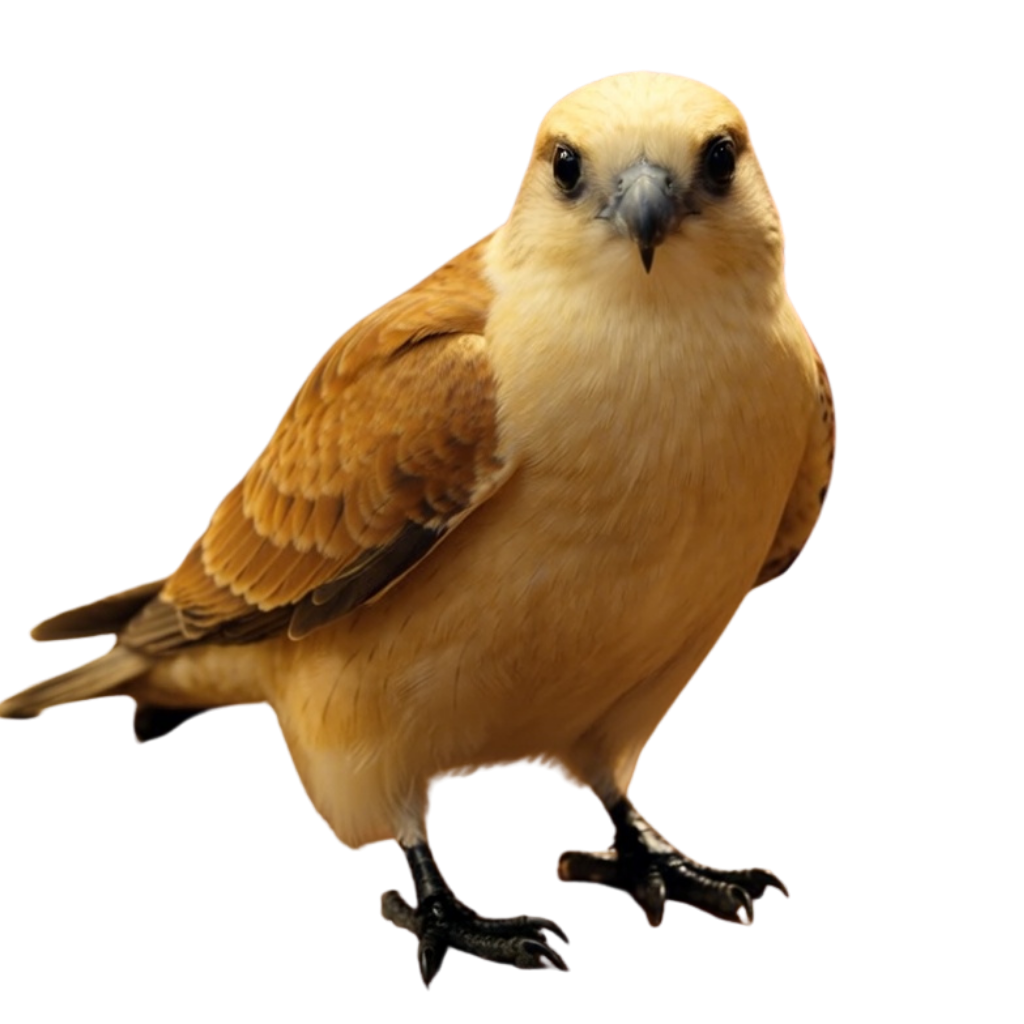
The Falcon
A messenger of destined passage.
The falcon carries what must travel with care.
In ancient Egypt, the falcon was closely associated with Horus and kingship. That historical association belongs to Egyptian religious tradition.
The House’s falcon is a later fictional emblem shaped by that imagery.
Within the House, the falcon represents the protected movement of a message, artefact or memory.
It arrives when the passage is complete.
Symbols as Living Language
These symbols do not form a closed system.
They evolve as the House evolves, gathering meaning through context, repetition and use.
A sigil placed upon an artefact today may carry a different weight in a generation.
A thread recognised now may reveal another connection later.
Thus the language of the House is not static.
It is lived.
The study of signs offers a useful parallel. Charles Sanders Peirce described meaning as involving a relationship between a sign, its object and its interpretation.
The House does not claim its symbolic system as an application of Peirce’s theory.
The comparison simply reminds us that a sign does not create meaning in isolation.
It becomes meaningful through encounter and interpretation.
✧
Symbols as Silent Custodians
In the imagined chambers, these signs serve as quiet custodians of the palace’s inner life.
They echo across the Hall of Golden Foundations and the Starlit Veil Chamber, binding the language of scent to the visible expressions of the House.
A sigil etched upon a bottle, a veil motif woven into silk or a falcon rendered in gold may signal that the wearer has entered the House’s continuing narrative.
The symbols do not prove significance.
They invite recognition.
Companion manuscripts: The Palace and the Veil (opens in a new tab) and The Scent as Myth (opens in a new tab).
A Map for the Custodian
Those who move through the archive begin to recognise these symbols as threads of continuity rather than decoration alone.
Their meanings emerge gradually through repetition.
They become part of a private vocabulary.
A language not imposed, but learned through encounter.
No symbol opens in precisely the same way to every observer.
Interpretation remains shaped by memory, culture and context.
The Living Continuum
The House does not merely display symbols.
It lives within them.
Each recurring mark extends the narrative of the House.
To encounter these symbols is to step into that continuity.
To recognise them is to begin understanding their place within the archive.
To carry them is to participate in the language they create.
✧
References
The Metropolitan Museum of Art, “Hieroglyphs and Egyptian Art.”
An educational resource examining the close relationship between writing and visual representation in ancient Egyptian art. View the resource (opens in a new tab).
The Metropolitan Museum of Art, “Cylinder Seal,” Old Babylonian period.
An object record discussing seals as evidence of chronology, identity and possible protective meaning. View the object (opens in a new tab).
The Metropolitan Museum of Art, “Calligraphy in Islamic Art.”
An overview of Arabic calligraphy as transmitted text and as a visual and ornamental form across different regions and periods. Read the essay (opens in a new tab).
The Metropolitan Museum of Art, “Horus Falcon Figure.”
A Late or Ptolemaic Period figure demonstrating the relationship between the falcon, Horus and Egyptian kingship. View the object (opens in a new tab).
Albert Atkin, “Peirce’s Theory of Signs,” Stanford Encyclopedia of Philosophy.
An introduction to Peirce’s account of signs, objects and interpretants. Read the article (opens in a new tab).
The meanings assigned to the sigil, veil, scroll, thread and messenger belong to the House of Shaneela’s symbolic system. The historical sources provide comparisons and context; they do not establish the House symbols as an inherited ancient tradition.